Custom furniture lead time: approx. 6-8 weeks. Need it sooner? Let us know.


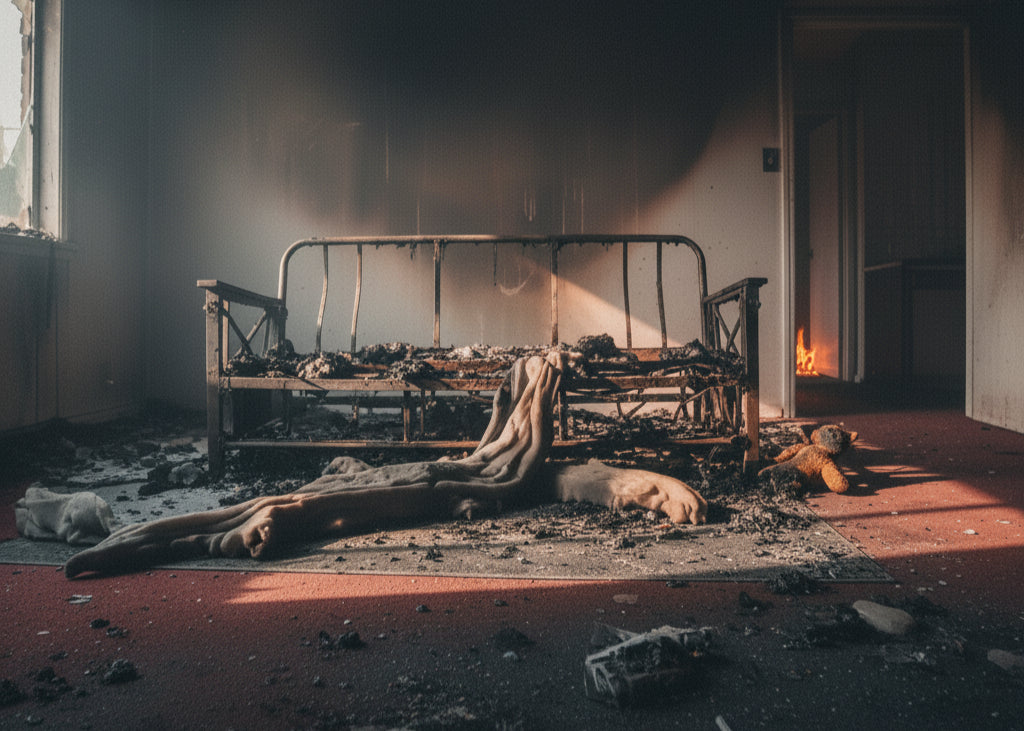
Foam Furniture Fire Exposes Gaps in NZ Safety Standards
The death of a Canterbury teenager is not a sales story. It is a reminder that everyday furniture materials can carry risks most households never see until something goes wrong.
Reporting on the coronial findings has focused on flexible polyurethane foam in upholstered furniture: how quickly it can burn, the toxic smoke it can produce, and the fact that New Zealand has relied heavily on non-binding guidance rather than clear mandatory rules for foam-filled furniture.
What the case exposed
The central issue is not that one household made a poor choice. Most people buying a sofa, chair or sofa bed have very little visibility over what is inside it. Labels are often unclear, material trade-offs are not explained, and shoppers are left to assume that products on sale meet a sensible fire-safety threshold.
The coroner’s findings, and the public reporting around them, point to a larger product-safety question: should consumers have clearer material disclosure and stronger protection when a commonly used furniture filling can become a serious fire load?
Why foam-filled furniture is different
Flexible polyurethane foam is widely used because it is affordable, light and comfortable. The problem is that when it ignites, it can contribute to rapid fire growth and dangerous smoke. That does not mean every foam product is unsafe in normal use, but it does mean the material deserves more transparency than it often receives.
Important context: smoke alarms, safe heating, clear escape paths and basic fire planning still matter. Material choices are only one part of home fire safety.
What better information would look like
Clear material labels
Customers should be able to see what filling is used, not just the outer fabric or style name.
Plain-language risk information
Labels should help ordinary households understand fire and smoke risk without needing technical knowledge.
Better product standards
Government and industry need standards that reflect how furniture is actually used in homes.
More material options
Natural fibres, wool, latex, timber and repairable construction can reduce reliance on disposable synthetic fillings in some furniture categories.
Where Innate fits
Innate’s main work is solid timber, steel, benchtops, dining tables and custom commercial furniture, so we are not pretending a timber table solves upholstered-furniture regulation. But we do believe customers deserve to know what their furniture is made from, where the materials came from, and what trade-offs those materials carry.
That is the same reason we talk openly about timber provenance, repairable construction, finishes and care. Good furniture should not hide the decisions behind it.
Sources and further reading
- RNZ / Star News reporting on the coronial findings and foam-filled furniture regulation
- Fire and Emergency New Zealand smoke alarm guidance
Thinking about safer, more transparent furniture?
Ask what materials are being used, how the piece can be maintained, and what is known about its provenance. For solid timber, steel and custom furniture, we can talk through those decisions before you commit.
Contact us
281 Queen Elizabeth II Drive, Christchurch
027 350 2083
hello@innatefurniture.co.nz