
Materials

Materials we know, trust and work with every day.

We use New Zealand timber, local steel and natural finishes because we understand how they behave in real furniture. The right choice comes down to the room, the colour, the build, and how you want the piece to age.

West Coast RimuWest Coast BeechNorthland TōtaraNZ steelNatural finishes
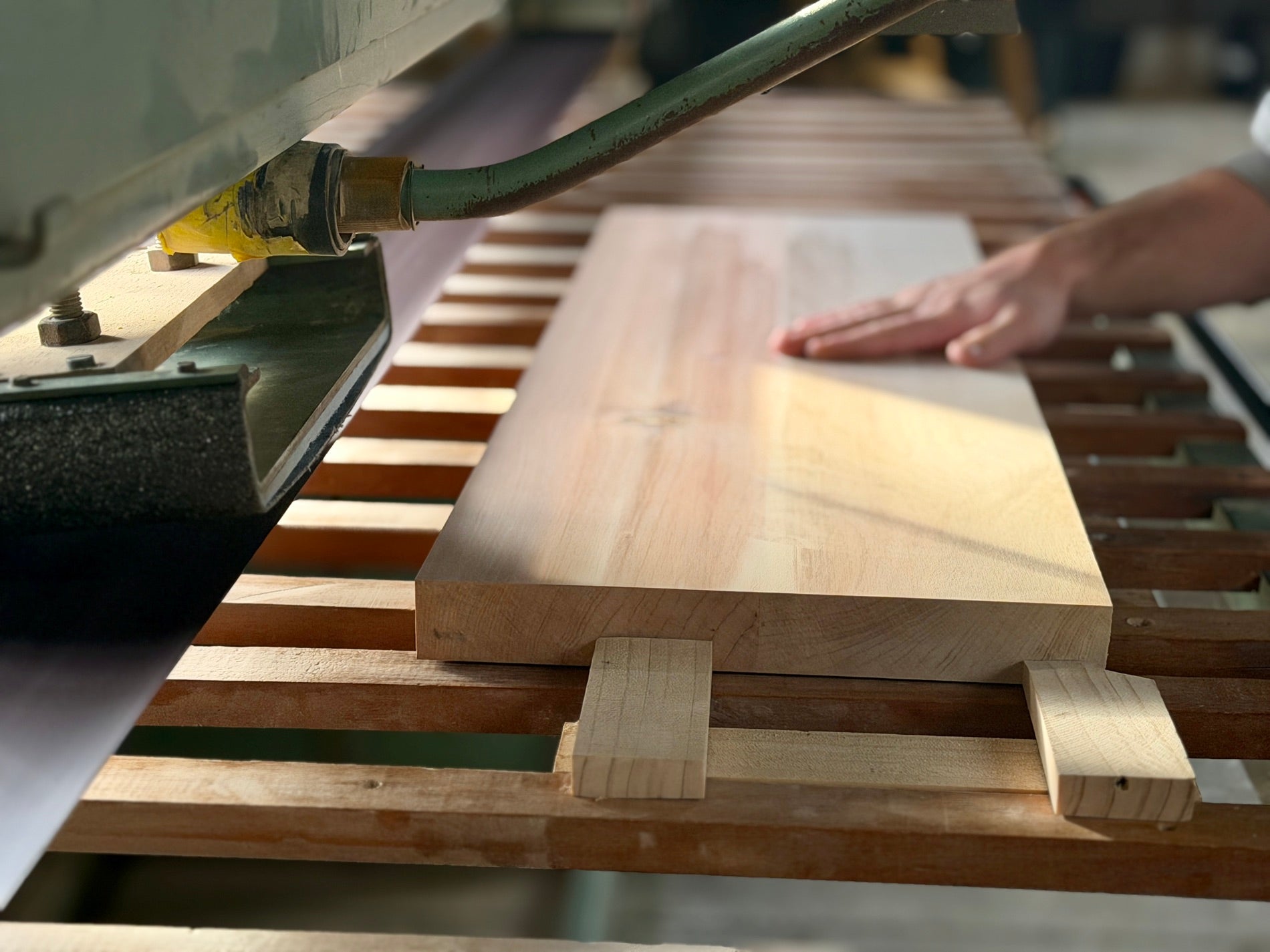
Solid timber being machined in the Innate Furniture Christchurch workshop.

Timber

Choose timber by character, story and finish.

Most Innate pieces start with one of three New Zealand timbers: West Coast Rimu, West Coast Beech or Northland Tōtara. They can all be used across tables, benchtops and furniture when the project suits. The choice is usually about colour, grain, story, thickness, construction and finish.

West Coast Rimu timber swatch with natural hardwax oil finish.

Cyclone Ita salvaged native timber

West Coast Rimu

Warm, golden and character-rich, with flowing grain and a familiar New Zealand furniture feel. It brings a lot of life to a piece, especially when the grain and colour variation are allowed to show.

Source Cyclone Ita salvaged West Coast Rimu.
Character Warm, flowing grain with a strong salvaged native timber story.

Current stock starts at 40 mm. After machining, sanding and finishing, the maximum finished thickness is about 33 mm.

View timber samples
West Coast Beech timber swatch with natural hardwax oil finish.

Red beech from the West Coast

West Coast Beech

West Coast Beech is red beech, but we lead with the regional name because it is clearer and more useful for customers. It has a denser native hardwood feel, with warm red-brown grain and natural variation across each board.

Source Sustainably managed West Coast red beech.
Character A denser native hardwood feel with warm red-brown grain and a West Coast supply story.

We lead with the name West Coast Beech because it is clearer for customers, but the timber is red beech.

View timber samples
Northland Tōtara timber swatch with natural hardwax oil finish.

Naturally regenerating farm tōtara

Northland Tōtara

Northland Tōtara can be pale honey through to warmer brown, often with knots, growth marks and colour variation from the naturally regenerating farm resource. Those perfect imperfections are part of the point: the timber should feel alive, not sterile.

Source Naturally regenerating Northland farm tōtara, milled in Northland and finished in Christchurch.
Character Stable native timber with visible knots, colour variation and a strong Northland provenance story.

With a natural oil finish, small marks can age more like an old church floor or a leather jacket. The surface should gather character, not feel like something you are afraid to use.

Read the Tōtara story

Responsible native timber

Using native timber well means caring for the forest it came from.

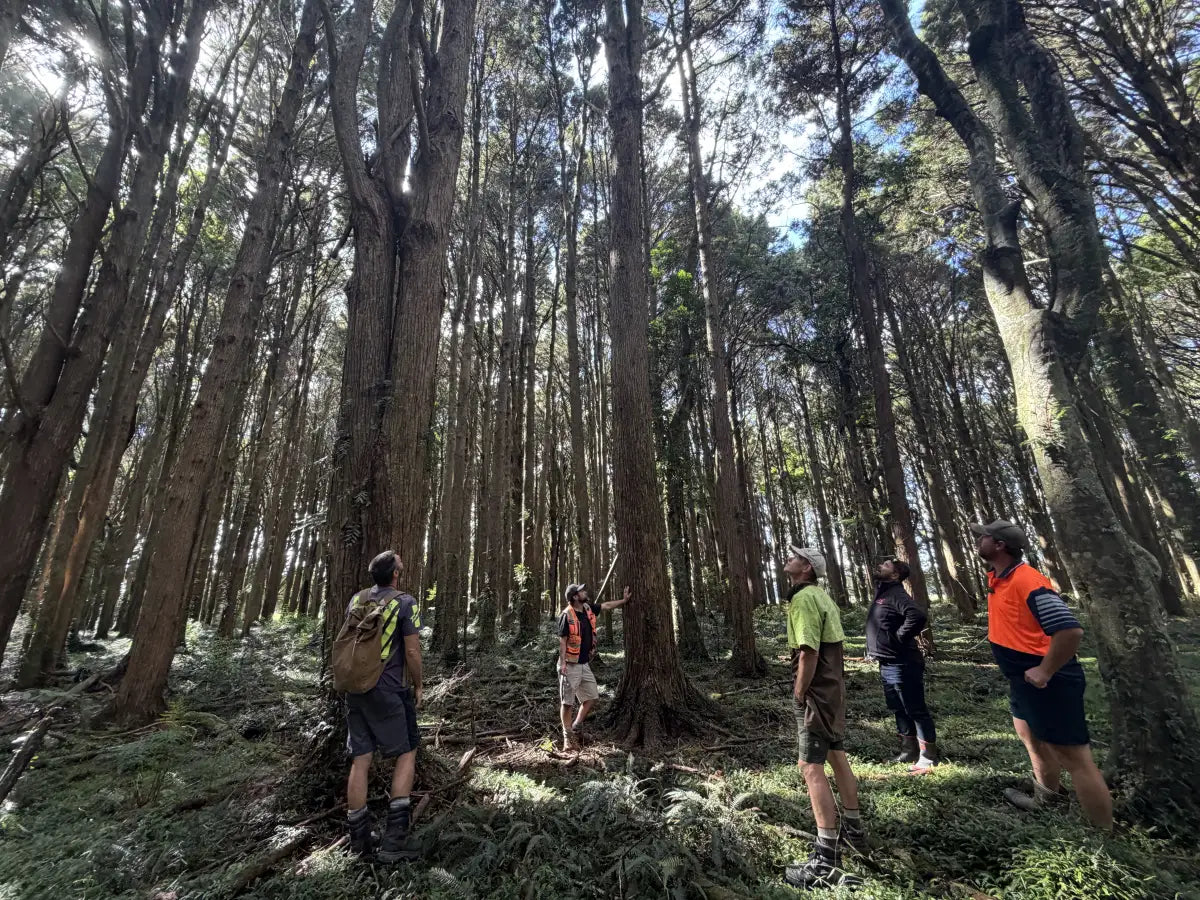
We choose New Zealand native timber because it belongs to this place, carries a deeper story, and can support good land stewardship when it is legally and carefully sourced. The important part is provenance: where it came from, why it was harvested, and whether the forest is being looked after for the long term under New Zealand's native forestry rules.

  • MPI sustainable forest management plans and permits under the Forests Act set long-term harvest limits and protect natural values.
  • Continuous-cover forestry keeps forest structure in place instead of treating native forest like a clear-fell crop.
  • Windfall, salvage and naturally regenerating farm tōtara can turn existing material into lasting furniture without pretending every source is the same.
  • Good native timber use should support the guardians of the land, not disconnect timber from the forest it came from.
West Coast Beech boards being loaded into a laminating press.
West Coast Beech being loaded into the laminating press.
West Coast Rimu and Beech

Native timber selected for provenance, colour, grain and board character.

Northland Tōtara

Naturally regenerating farm tōtara with knots, colour variation and a deeper supply story.

Glenbrook NZ steel

Local steel used for custom frames, strong bases and honest industrial detail.

Christchurch Workshop finish

Cut, shaped, finished and assembled by the Innate team in Ōtautahi.

New Zealand steel

A local industrial material, used honestly.

Steel gives timber furniture strength, quiet structure and long service life. We use it for frames, bases and custom details where the design benefits from a strong local industrial material.

  • Made in New Zealand at Glenbrook.
  • Ironsand is processed into steel through a local supply chain.
  • Welded and finished to suit the piece, with clean structure and long service life.
  • Steel has a local industrial story, and we present it honestly: traceable, practical and made close to home.

New Zealand Steel's overview of the local ironsand-to-steel process.

Natural finishes

Finishes that protect the timber without hiding it.

We choose finishes that let timber still feel like timber. Interior pieces are finished for everyday use and future refreshes. Exterior pieces are finished for weather exposure, with a clear maintenance expectation. Natural oils are not magic, but they are a better fit for the way we want our furniture to age and be maintained.

Interior

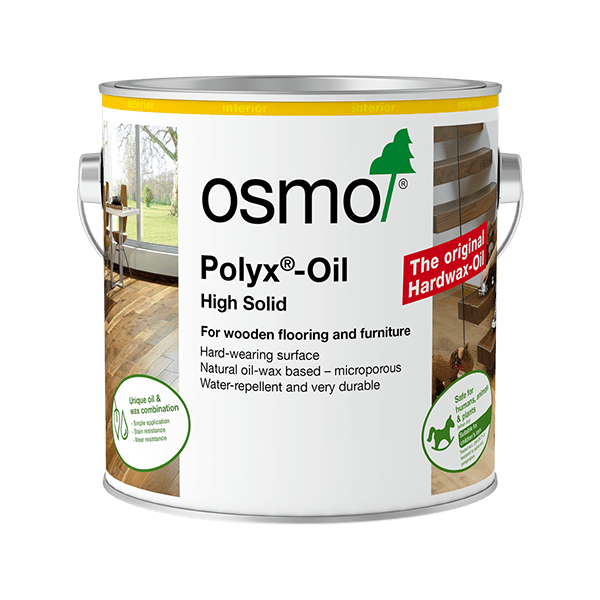
Osmo natural hardwax oil

For interior tables and benchtops we use Osmo because it gives a natural feel, good everyday protection and a surface that can be refreshed instead of stripped back like a heavy film finish. Polyurethane and lacquer can look perfect at first, but natural oils let the timber develop perfect imperfections over time. Osmo Polyx Oil is based around plant oils and waxes, including ingredients such as sunflower, soybean and thistle oil, plus carnauba and candelilla wax.

Visit Osmo NZ
Exterior

Natural House Company Exterior Oil

For exterior tables, decking and cladding work we use Natural House Company Exterior Oil. It is designed for weather-exposed timber, but exterior timber still needs maintenance and re-oiling over time. Their Exterior Oil uses ingredients such as tung oil, waxes, earthen pigments and eucalyptus oil, depending on the product and colour.

Visit Natural House Company

Colour is a conversation, not a fixed menu.

Our three main colours are Clear, Country Bark and Blackwash. Because timber species, grain and finish all affect the final result, we can also combine a wider range of timbers and custom colour work to get closer to the look a space needs. The simplest way to judge colour is with real samples in the actual room.

ClearCountry BarkBlackwashCustom colours

How to choose

A material decision should feel practical, not mysterious.

If you are in Christchurch, book a visit to the workshop and compare timber and finish samples in person. If you are outside Christchurch, order samples and check them in your own light before choosing.

01

Start with the room

Light, flooring, joinery and existing furniture usually narrow the timber choice quickly.

02

Match the practical brief

Dimensions, exposure, finish, maintenance and the feel of the room all shape the right direction.

03

Check samples in place

Samples are finished like the final piece, so compare them in your own daylight and evening light.

04

Ask if unsure

A rough photo and a few notes are enough for us to suggest a practical direction.

Questions

Useful things to know before choosing.

A few honest answers before you get too far down the rabbit hole.

Can you source other timbers?

Yes. Rimu, West Coast Beech and Northland Tōtara are our main native options, but we work with a wide supplier network and can look at other sustainably sourced timbers when a project needs a specific look or performance.

Can tabletops be made thicker or thinner?

Yes. We can produce tabletops at almost any visual thickness across our core timber species. Standard methods are usually the most efficient, while thicker tops, built-up edges, slab-style details or unusual construction can change the way the piece is made and may increase the price. Current Rimu stock starts at 40 mm, so a solid Rimu top from that supply finishes at about 33 mm after machining and sanding.

How do the timbers wear over time?

Each timber wears a little differently. West Coast Beech has a denser native hardwood feel, while Rimu and Tōtara carry softer grain, knots and colour variation in their own way. We will steer you honestly for the piece you are making. With natural oils, small signs of use can become part of the timber character and the way the piece settles into the room.

Can you match a specific finish colour?

Often, yes. Clear, Country Bark and Blackwash are the main starting points, but timber species and custom colour work can be combined to get closer to a particular interior palette.

Can timber be used outside?

Yes, but the species, construction and finish all matter. Exterior timber needs realistic maintenance expectations, and we will be clear about what is suitable before recommending it.

Next step

See the materials in person, or test them at home.

If you are in Christchurch, book a workshop visit and handle the materials before choosing. If you are outside Christchurch, order samples and compare the timber, colour and finish in your own room.